Skip to content

Heber History

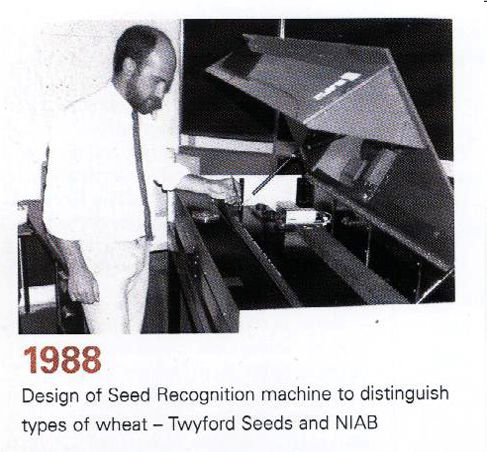
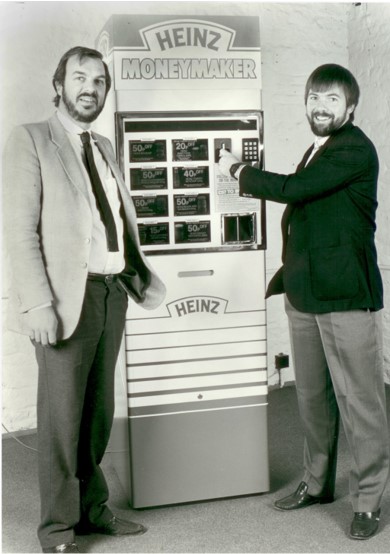
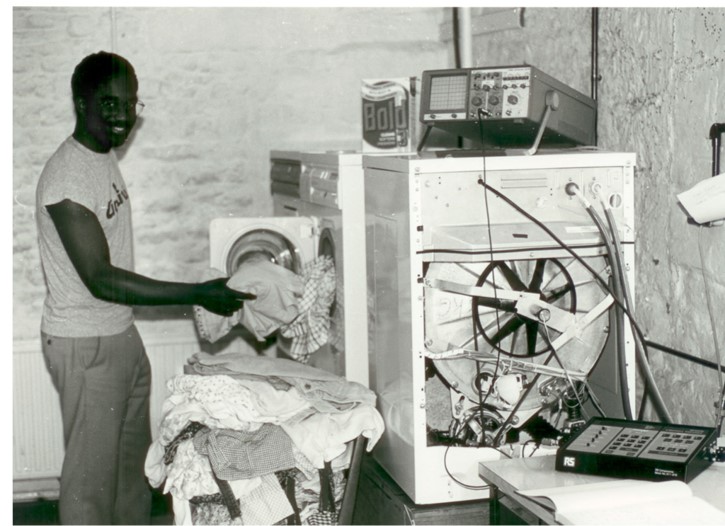
The forerunner to Heber was Marian Electronics which was founded in 1974. 10 years later Heber was founded in 1984. Since then we have traded continuously, providing electronic controllers for a huge range of uses.

In 2024 we celebrated our 40th anniversary. To commemorate the occasion we did a deep dive into the history of Heber and Belvedere Mill. We hope you enjoy finding out about our history and the mill we’re based in as much as we did!

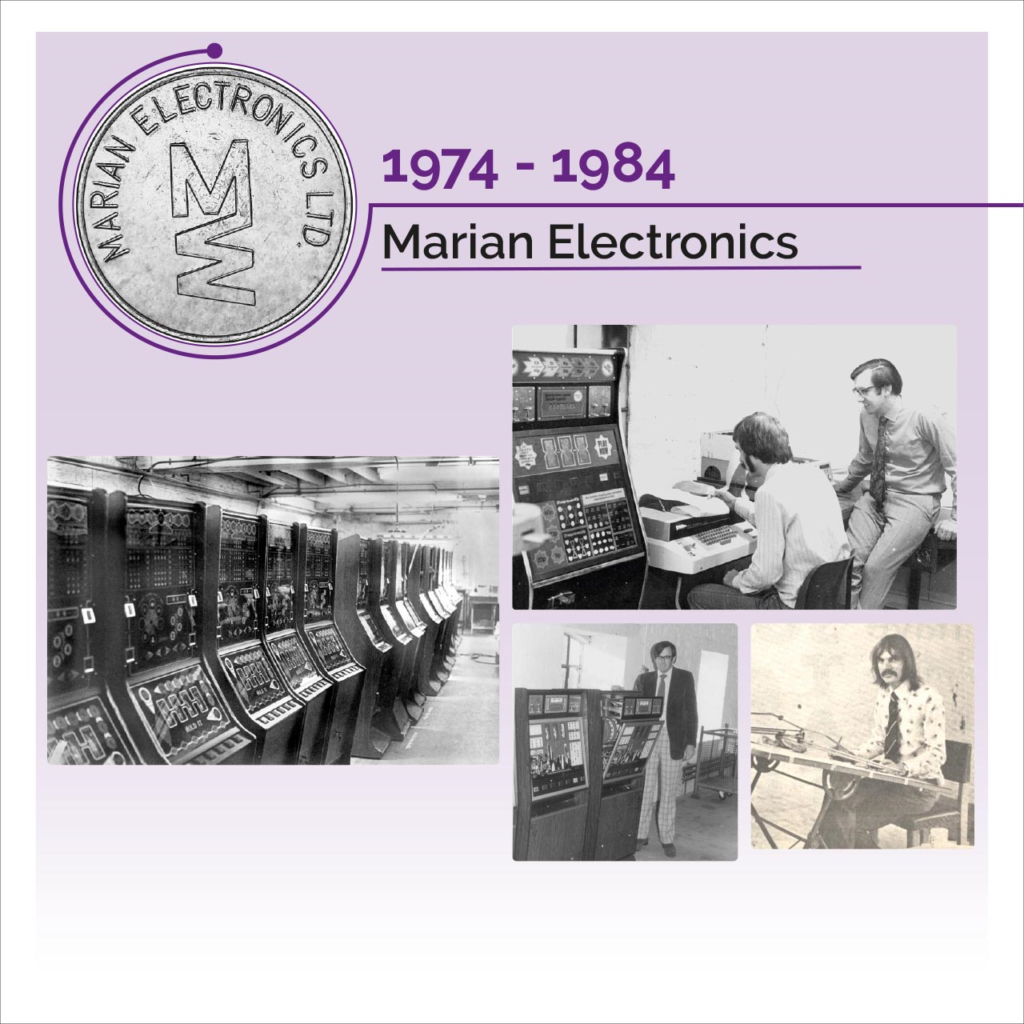
The History of Heber


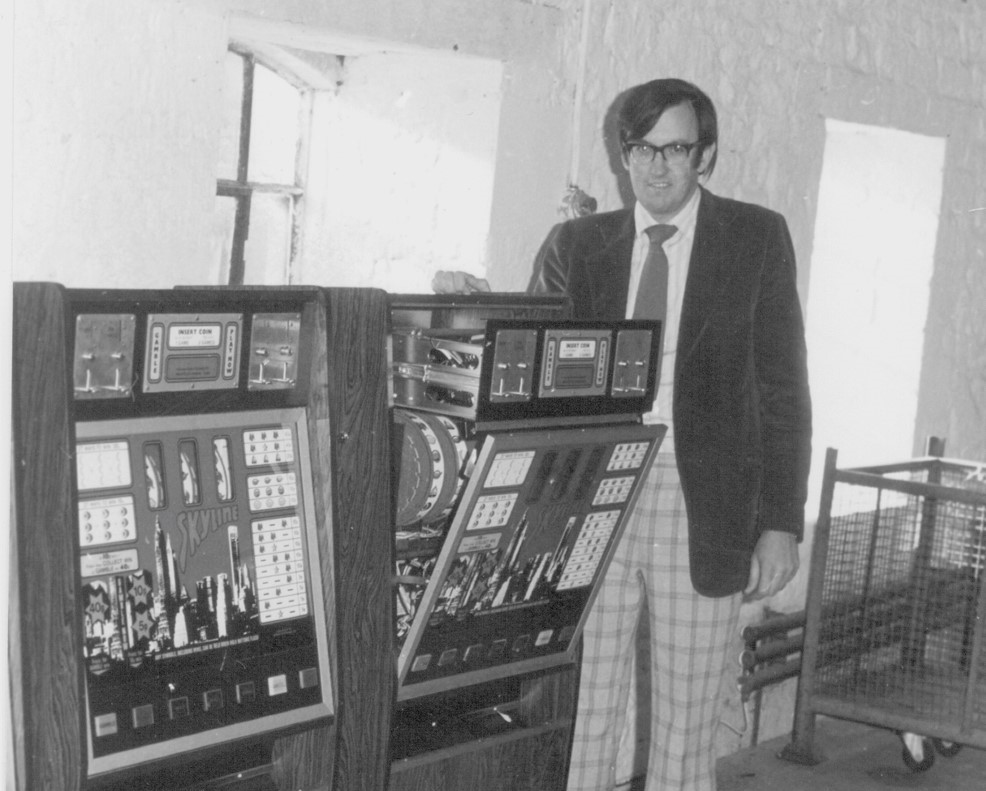
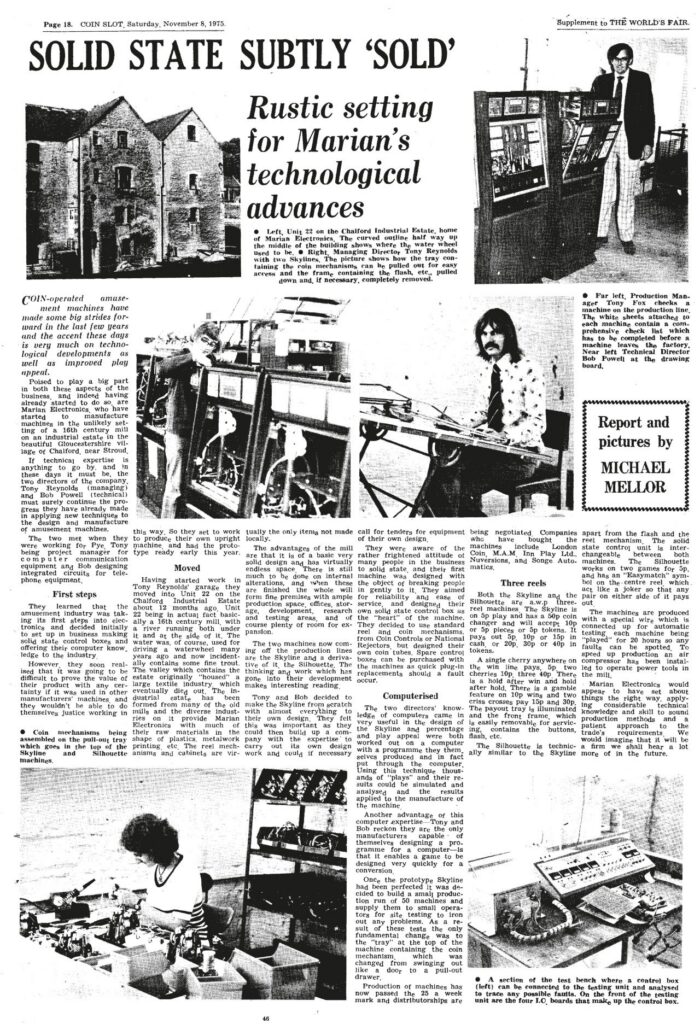
Coin Slot Magazine 8th Nov 1975
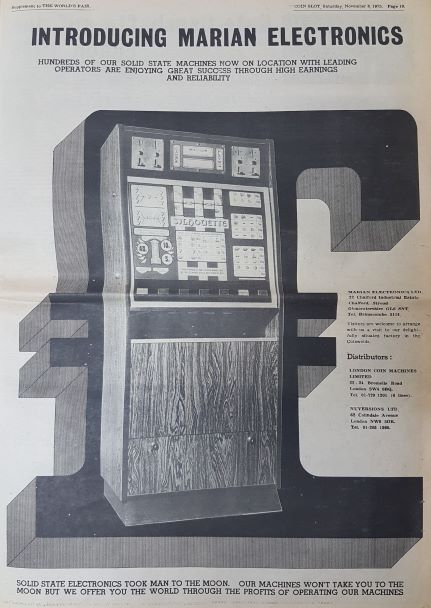
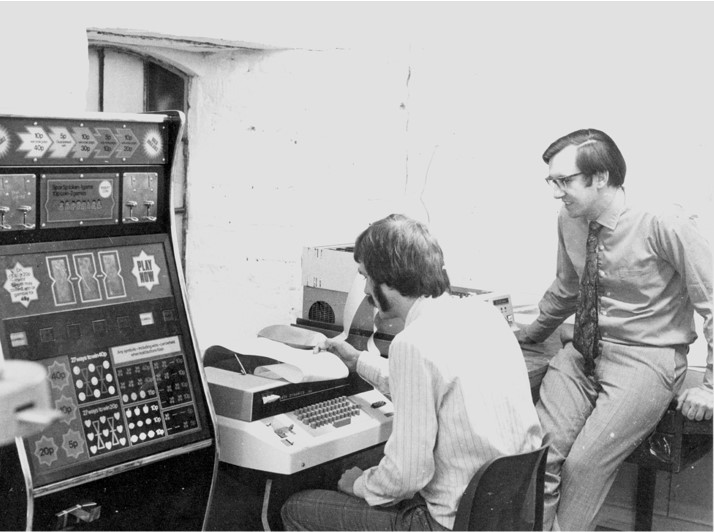
Marian Electronics gaming
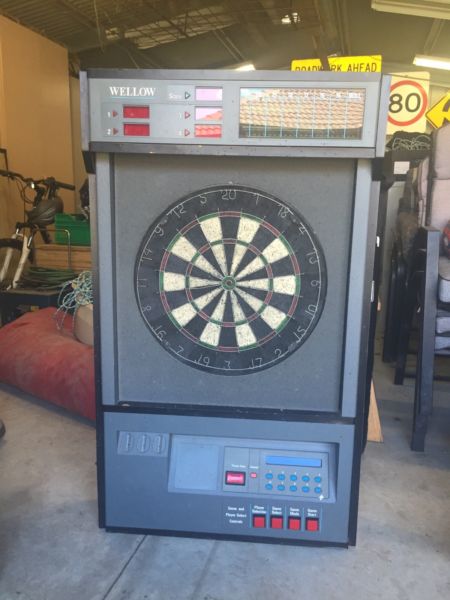
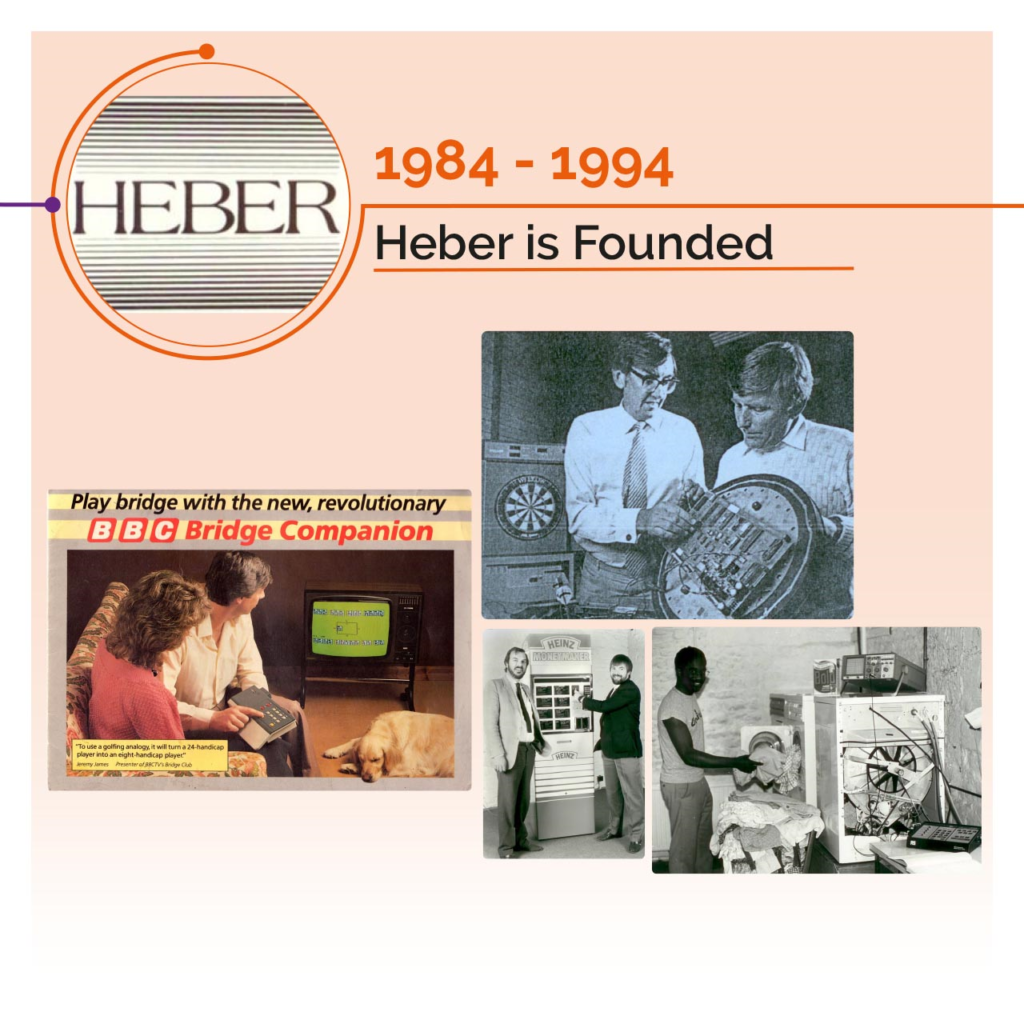
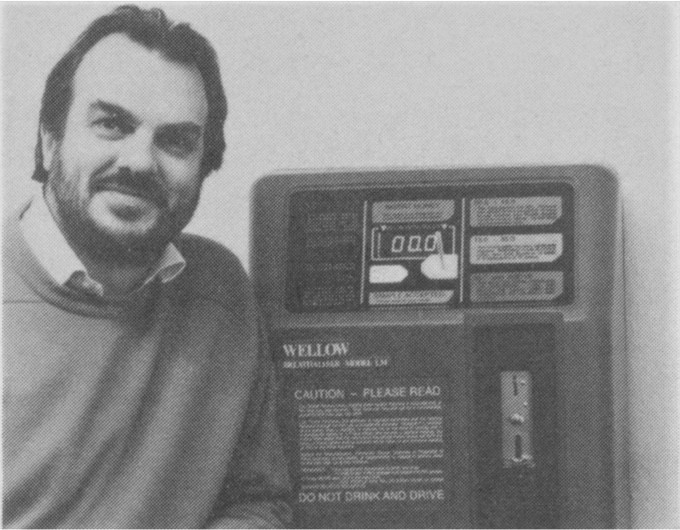
Heber’s Dart Board
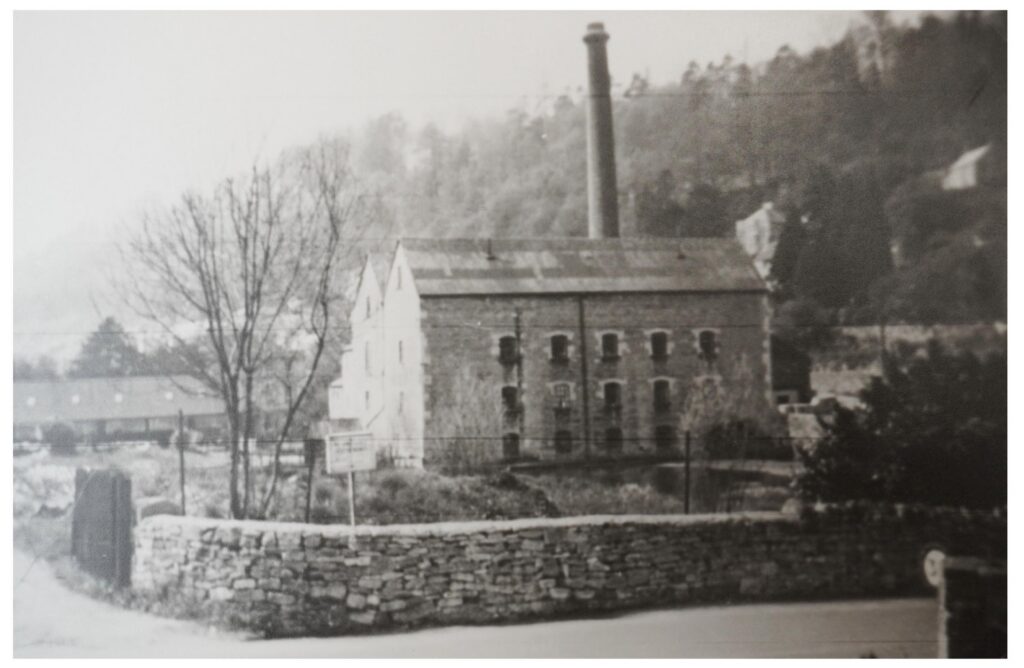
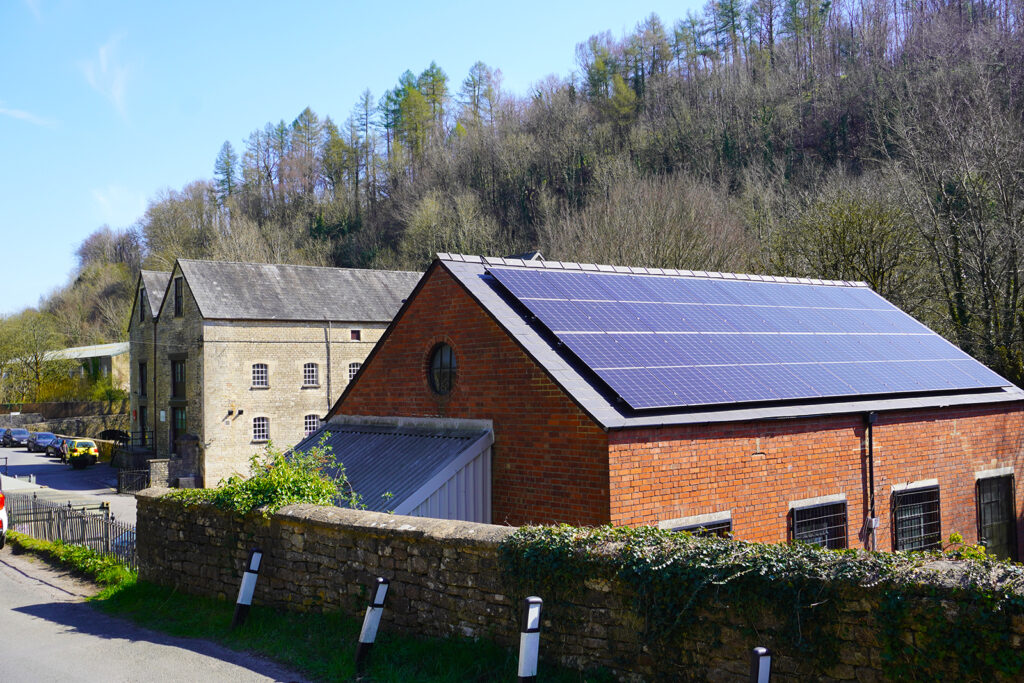
Belvedere Mill

1400-1500 – A mill is first recorded on this site in 1439, comprising a dwelling house, outbuildings, a cloth fulling mill and associated land.

1500-1600 – The mill passes into the ownership of the crown, and is leased to Robert Hone in 1558. The mill stays in the Hone Family until the 17th century as is used as a fulling and grist (corn) mill.

1600-1700 – In the 1620s Robert Hone (junior) buys the freehold of the mill, and in the late 1600s the mill passes into the ownership of Thomas Tayloe through his marriage to Margery Hone. The mill stays in the Tayloe family into the late 18th century, and continues to be used for cloth fulling and corn milling.

1700-1800 – The Mill became known as Tayloes mill and stayed in the Tayloe family until 1778, when it was sold to Charles Ballinger, a cloth merchant.

1800-1900 – The mill in its current incarnation was built by the Ballinger family in the early 19th century. The mill was leased out to various tenants. In the early 19th century it was used for cloth fulling, an is recorded as being used as a dye house in 1842.

1841 Bisley Tithe Map and Apportionment

  • Plot name: House, Garden and Dye Houses
  • Land Owner: Charles Ballinger
  • Occupiers: David Farrar
  • Size: 4 acres, 1 rood, 18 perches

1852 – The mill is listed for sale. It is listed as having 3 water wheels, a fall of water of nearly 7’ , numerous rooms and offices and “every convenience for carrying on an extensive business”. There is also a grist mill, smutting machines, a dye house, a never-failing spring and a “commodious dwelling house”, a large garden and paddock.

Late 1800’s – During the latter part of the 19th century the mill was used as a corn mill by Reynolds and Allen of Gloucestershire.

Early 1900’s – Belvedere Mill also housed Belvedere Upholstery Works, owned by Tylers Ltd of Thrupp.

1909 – At this time, the mill would have housed Clark’s Corn Mills and agricultural engineering business, and possibly upholstery workshops. Later it was to be the second pumping station for Stroud Water Co.

1909 Lloyd George survey of land details – Occupied by: T & J Clark, mill stables and land – address: Chalford Flour Mills

Stone and slate house, 2 attics, 4 bedrooms, 2 sitting rooms, kitchen, scullery, pantry, wc, wash house.

Stone and tile derelict mill, 3 floors, basement, lean-to boiler house with Lancashire boiler, stone and slate 5 stall stable, stone and tile 4 bay cart shed, granary over 3 floor buildings adjoining mill and a 2 floor building used as stable upper part used as offices, stone and galvanised brick front, carpenters shop, smiths shop At this time, the mill would have housed Clark’s Corn Mills and agricultural engineering business, and possibly upholstery workshops. Later it was to be the second pumping station for Stroud Water Co.

1914 – The Mill was still owned by the Clark Brothers, and was put up for sale in 1914.

1918 – The mill was bought, or leased to the Apperly Family, who were cloth manufacturers of Dudbridge Mills.

1947 – A newspaper advert shows the mill is still being used for upholstery works: The Cotswold Upholstering Co., Ltd., original makers of the noted Cotswold Guaranteed Upholstery, req. skilled upholsterers, also lads as learners – Apply Belvedere Works, Chalford, Glos.

1949 – Stroud district water board opened the pumping plant at Belvedere Mill on 14th April 1949.

1972 – The main mill building is recorded as empty and semi derelict. Part of the site (the garage area) was occupied by a pumping station owned by the North West Gloucestershire water board, whose predecessors, the Stroud Water Co., were using the springs which rise near the mill as their main source of supply in 1930.

1974 – Marian Electronics moves in to Belvedere Mill